


CrediFlex adviser Mat Wood talksabout structuring asset finance around cash flow, business priorities and whatcomes next, working with clients as their businesses grow, and findingsolutions when the funding requirement sits outside traditional asset finance.
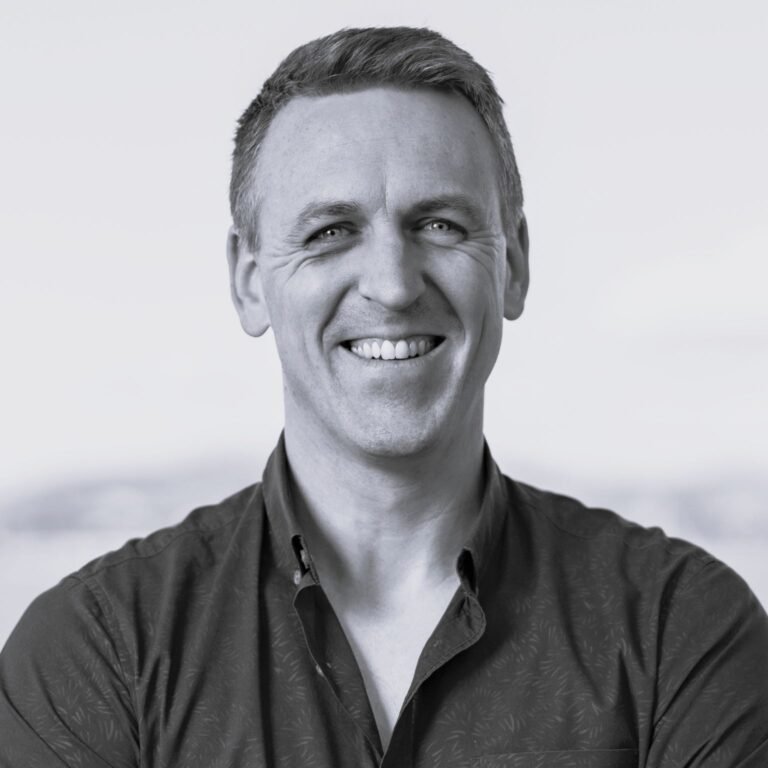
Most of Mat’s work at CrediFlex is asset finance, across businesses ranging from tradies buying a ute, van or small digger through to larger transport, civil and traffic-management businesses with ongoing equipment requirements.
Across that mix, businesses can be at very different stages. Some are just starting out. Others are established and growing. The asset might be new or older, the business may have a strong track record or very little history, and the funding approach needs to reflect those differences.
For Mat, the job is to shape the finance around that bigger picture.
For Mat, structure is a commercial decision, not just a lending one.
Term, rate type and repayment profile need to work with the business’s cash flow, stage of growth and what it is trying to achieve. For a newer business, preserving cash may carry more weight; for an established business with stronger cash flow, the priorities may be different.
That can mean considering longer or shorter terms, fixed or variable rates, or balloon structures - depending on what best fits the business at the time.
A key thing Mat comes back to with business owners is the importance of having their numbers in order.
That means keeping accounting information current and having a clear handle on what the numbers are doing. Mat encourages business owners to know their figures well enough to readily provide context when questions come up - whether that is simply explaining the story behind a particular period or talking through something that looks unusual.
Where Mat has an established relationship with the client, that process can be more seamless again. With the appropriate authority, he may already know the accountant and be able to work directly with them to obtain the information needed.
It is a practical discipline, but an important one: good information gives the adviser more to work with when structuring and presenting the funding requirement.
A particularly rewarding part of Mat’s work is seeing how businesses develop over time.
He has worked with clients across sectors including agriculture, transport and civil, in some cases from close to the beginning and through successive purchases of trucks, diggers, chippers and other equipment as they have grown.
For Mat, there is real satisfaction in being part of that progression – helping a business find the finance it needs at different stages, then seeing what that enables them to do next.
As that relationship develops, the adviser also builds useful context around how the business operates, where it has come from and what it may be working towards next.
Mat says that familiarity can help advisers bring different possibilities into the conversation - including options the client may not have considered themselves.
And as the business evolves, the funding requirement can evolve with it.
Sometimes the next need is another asset. Sometimes it is something outside the traditional asset-finance brief.
Asset finance remains the core of Mat’s work. But as clients grow, the next funding requirement is not always another vehicle, machine or piece of equipment.
That is where Line Capital can become another option in his toolkit.
It might be working capital to support growth, or funding that bridges a particular stage of a transaction before longer-term asset finance can take over.
One transaction Mat worked on is a good example.
A client was purchasing assets from overseas and needed funding to get them into New Zealand.
The longer-term asset finance could not take effect while the assets were still offshore. The New Zealand asset lender needed the equipment to be in the country before its funding could take over.
Line Capital provided funding for the import stage. Once the assets arrived in New Zealand, the asset finance was able to take over.
It is a useful example of two forms of finance doing different jobs within the same transaction.
As the example above shows, Line Capital can become part of the solution when a client’s funding need extends beyond traditional asset finance.
For Mat, that gives him another option to draw on when an existing client needs working capital or another form of business funding alongside the asset-finance solutions he typically provides.
Mat is comfortable providing a fuller picture upfront where it can support a better funding outcome for the client. And for brokers working with established clients, much of that information will often already be on hand - making it straightforward to bring into the application when needed.
That, combined with a team he finds easy to deal with and easy to talk to, gives Mat another practical funding option when the client’s needs move beyond asset finance.
If you have a client with a business funding need, talk it through with the Line Capital team. We can help you explore where our funding may fit and what options could be available.
